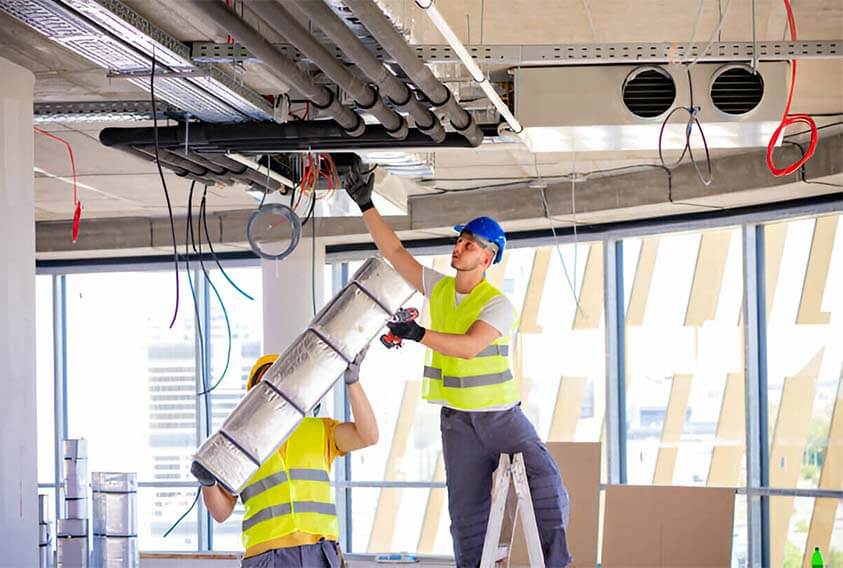
HVAC Modeling in BIM Services: Streamlining Building Efficiency and Performance
Introduction to HVAC Modeling
In modern construction, HVAC (Heating, Ventilation, and Air Conditioning) systems play a vital role in ensuring the comfort, safety, and efficiency of building environments. Accurate design and integration of HVAC systems are critical, as they influence energy consumption, indoor air quality, and occupant comfort. HVAC Modeling within the Building Information Modeling (BIM) framework offers a powerful solution for improving the design, coordination, and performance of HVAC systems in both new construction and renovation projects.
HVAC Modeling Services We Offer
At N2BIM, we provide comprehensive HVAC modeling services to ensure the optimal performance, efficiency, and sustainability of heating, ventilation, and air conditioning systems within your building. Our expertise in Building Information Modeling (BIM) allows us to design, simulate, and optimize HVAC systems for a wide range of applications. Below is a breakdown of the specialized HVAC systems we model:
1. Mechanical Ventilation Systems
We design and model mechanical ventilation systems to ensure the proper exchange of indoor and outdoor air, promoting healthy indoor air quality (IAQ) and thermal comfort. Using BIM, we accurately simulate airflow patterns, evaluate ventilation rates, and identify potential issues like insufficient air distribution or inadequate exhaust.
- System Design: 3D modeling of ducts, fans, air handling units (AHUs), and vents.
- Airflow Simulation: Analysis of ventilation effectiveness and energy efficiency.
- Clash Detection: Coordination with other systems to avoid conflicts and ensure smooth installation.
2. Variable Refrigerant Flow (VRF) Systems
Variable Refrigerant Flow (VRF) systems offer high energy efficiency and precise control of heating and cooling across different zones in a building. We provide detailed BIM models for VRF systems, optimizing their design and ensuring they are integrated seamlessly into the building structure.
- System Design: 3D modeling of VRF units, refrigerant lines, and branches.
- Energy Efficiency Analysis: Optimizing energy consumption while ensuring occupant comfort.
- Clash Detection & Coordination: Ensuring proper placement of VRF units without interference from other building systems.
3. Packaged HVAC Systems
Packaged systems, including rooftop units (RTUs), combine the components of heating, ventilation, and air conditioning into one compact unit. We model and integrate packaged HVAC systems to ensure they fit within the building’s design and are optimized for efficiency.
- System Design: Modeling of rooftop units, compressors, cooling coils, heating elements, and air filters.
- Energy and Performance Analysis: Ensuring that the system meets environmental and energy efficiency goals.
- Integration: Coordination with structural and electrical systems for seamless installation.
4. Chiller Systems
Chiller systems are crucial for large buildings or industrial applications that require cooling. We offer BIM modeling for chiller plants, cooling towers, piping, and associated equipment to improve system performance and energy consumption.
- System Design: Modeling of chillers, chill water pumps, cooling towers, and associated piping.
- Performance Optimization: Analyzing cooling loads, pump performance, and system energy efficiency.
- Clash Detection: Ensuring the system is properly integrated with the building structure and other systems to avoid conflicts.
5. Dust Collection Systems
For industrial, manufacturing, or laboratory buildings, dust collection systems are essential for maintaining air quality and safety. We offer BIM services for designing and modeling dust collection systems, ensuring they are efficient and compliant with safety standards.
- System Design: 3D modeling of dust collectors, ducts, hoppers, filters, and fans.
- Clash Detection: Coordination with other systems to ensure smooth installation and avoid conflicts.
- Performance Analysis: Optimizing air quality control and dust filtration efficiency.
6. Quantity Estimation and Costing
Accurate quantity estimation is crucial to ensure the correct amount of materials are ordered for HVAC installations and to keep costs within budget. We leverage BIM to generate automated quantity takeoffs, providing detailed material counts and cost estimates that align with project requirements.
- Automated Quantity Takeoffs: Accurately quantify HVAC components (ducts, pipes, units, filters, etc.) based on the BIM model.
- Cost Estimation: Generate cost projections based on real-time data from the model.
- Material Optimization: Help reduce waste and ensure the right amount of materials are ordered, keeping the project within budget.
Why Choose Us for HVAC Modeling?
We specialize in delivering high-quality HVAC solutions that maximize efficiency, reduce costs, and improve overall building performance. By integrating the latest BIM technologies, we provide you with:
- Comprehensive Design: Full-system modeling that ensures seamless integration of HVAC components.
- Energy Efficiency: Simulation and optimization of HVAC systems to meet sustainability goals and reduce operational costs.
- Clash-Free Coordination: BIM’s clash detection feature ensures all HVAC systems work together without interfering with other building systems.
- Enhanced Accuracy: Accurate models lead to fewer construction errors, streamlined installations, and minimized rework.
- Lifecycle Management: Post-construction support with as-built models for long-term maintenance and system upgrades.
Contact Us Today
If you’re looking for reliable, efficient, and sustainable HVAC system designs, contact N2BIM for expert BIM modeling services. Whether you’re working on a new build or a renovation project, we’ll ensure that your HVAC systems are optimally designed, cost-effective, and energy-efficient.